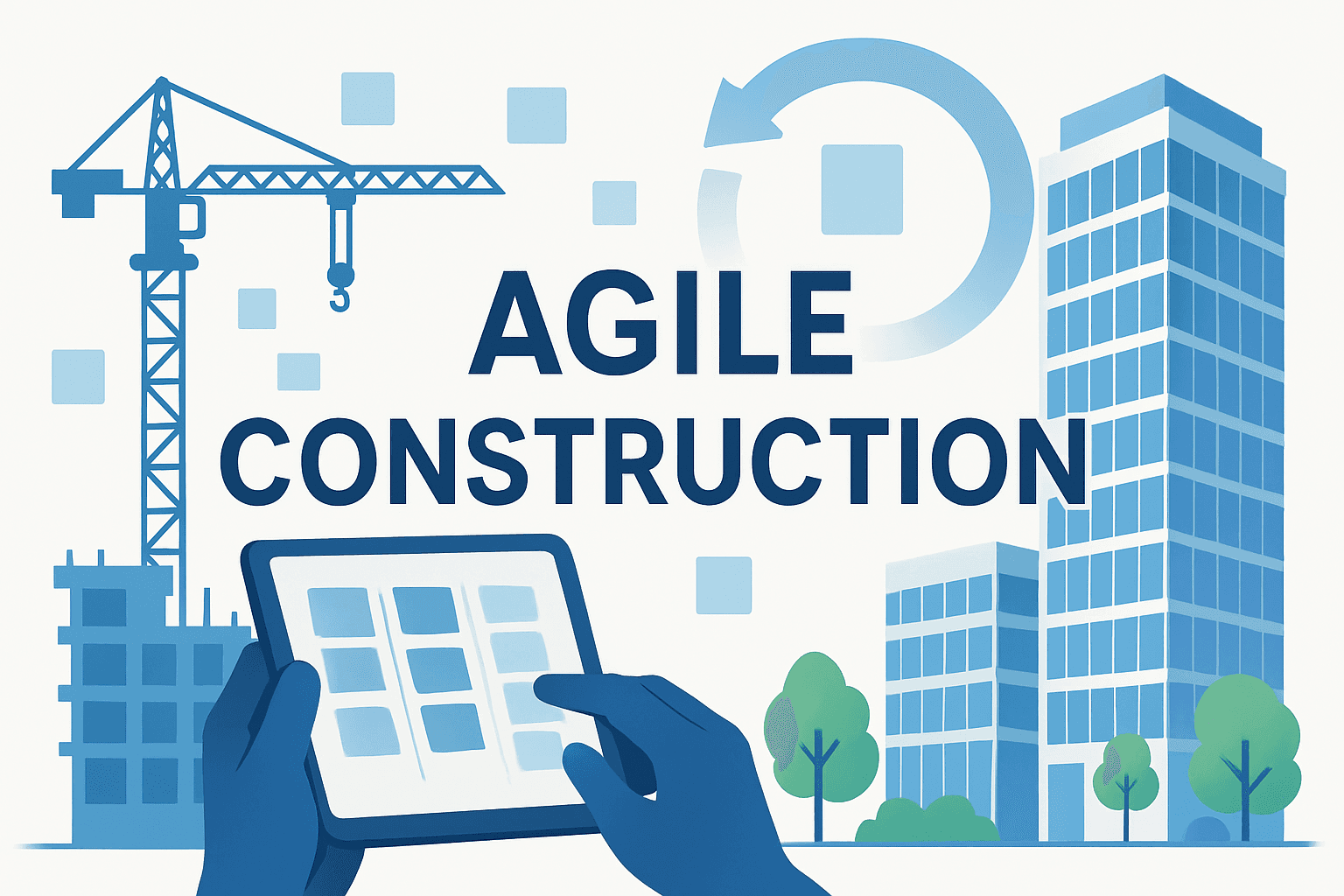

One of the most effective approaches today is Agile Construction, a flexible and collaborative methodology that focuses on continuous improvement, faster decision-making, and better performance across all project phases.
This article explores the most common construction mistakes and explains how agile construction can help teams deliver projects more efficiently, improve site management, and enhance overall performance.
One of the biggest construction mistakes is beginning execution before finalizing clear project objectives, scope, and timelines. When planning is rushed or incomplete, teams often face confusion and constant changes during construction.
Poor planning leads to:
Agile construction solves this issue by breaking the project into manageable phases with clear short-term goals. Regular reviews ensure alignment between all stakeholders and allow teams to adjust quickly when needed.
Effective site management is at the heart of successful project delivery. However, many construction sites suffer from poor coordination and lack of clear communication between engineers, contractors, and consultants.
Typical problems include:
Agile construction improves site management by introducing structured daily communication, clear responsibilities, and transparent workflows. Teams stay aligned and informed, reducing confusion and execution errors.
Modern buildings require strong coordination between architectural, structural, and MEP systems. When coordination is weak, clashes occur on site, causing delays and costly rework.
These coordination failures often result in:
Agile construction encourages continuous coordination meetings and early issue detection. By identifying conflicts early, teams can resolve problems before they impact construction progress.
Many teams focus only on completing tasks rather than monitoring performance and quality throughout the project lifecycle. Without continuous tracking, small issues can escalate into major problems.
Agile construction promotes continuous evaluation through:
This proactive approach ensures consistent performance improvement and higher quality outcomes.
Construction projects often suffer from slow approval cycles and rigid processes that make adaptation difficult. However, unexpected changes are inevitable in any project.
Agile construction introduces flexibility by:
This flexibility helps maintain project momentum and prevents costly delays.
Incomplete or outdated documentation is another major source of construction mistakes. When teams work with incorrect drawings or unclear instructions, execution quality suffers.
Agile-based workflows ensure:
This improves accuracy and reduces misunderstandings on site.
Some teams resist adopting modern approaches such as digital coordination or agile workflows. This resistance often results in outdated processes that slow down progress and reduce efficiency.
By adopting agile construction principles, companies can:
Implementing Agile Construction helps organizations move from reactive problem-solving to proactive performance management. Instead of waiting for issues to appear, teams identify risks early and respond quickly.
Key benefits include:
Agile construction is not just a methodology — it is a mindset that focuses on continuous improvement and smarter project execution.
Construction mistakes are common but avoidable. With better planning, stronger coordination, and the adoption of Agile Construction, project teams can significantly improve efficiency, quality, and cost control.
By focusing on collaboration, flexibility, and continuous improvement, engineering and construction teams can deliver projects that meet modern standards and exceed client expectations.

%2520(1)-1.jpg&w=3840&q=75)

.png&w=3840&q=75)



-1.jpg&w=3840&q=75)