Many people confuse architectural design with interior design and the confusion is understandable. Both disciplines shape buildings, influence aesthetics, and impact the overall experience. However, they serve different purposes and work at different levels.
More importantly, both fields directly affect user experience (UX) in buildings: how people move, feel, interact, and function within a space.
In this blog, we explain the key differences and how each one contributes to successful building design.
1) What Is Architectural Design?
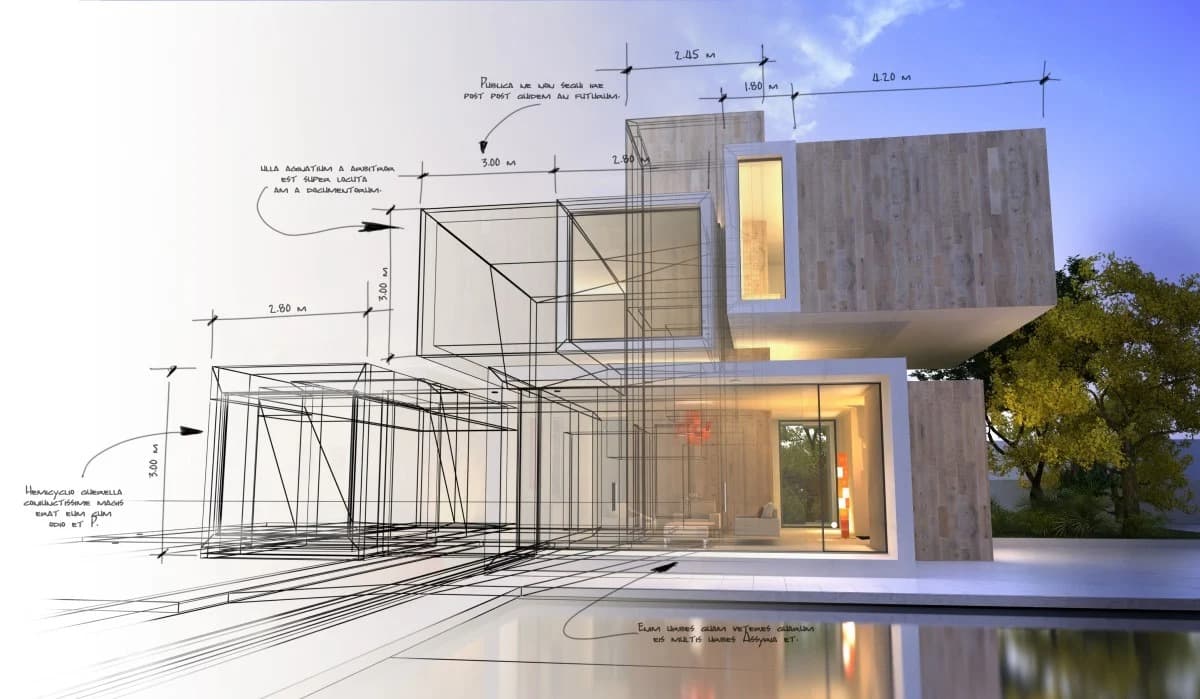
Architectural design defines the building’s overall structure, function, and relationship with its environment. It includes:
- Building massing and form
- Space planning and floor layouts
- Entrances, exits, and circulation routes
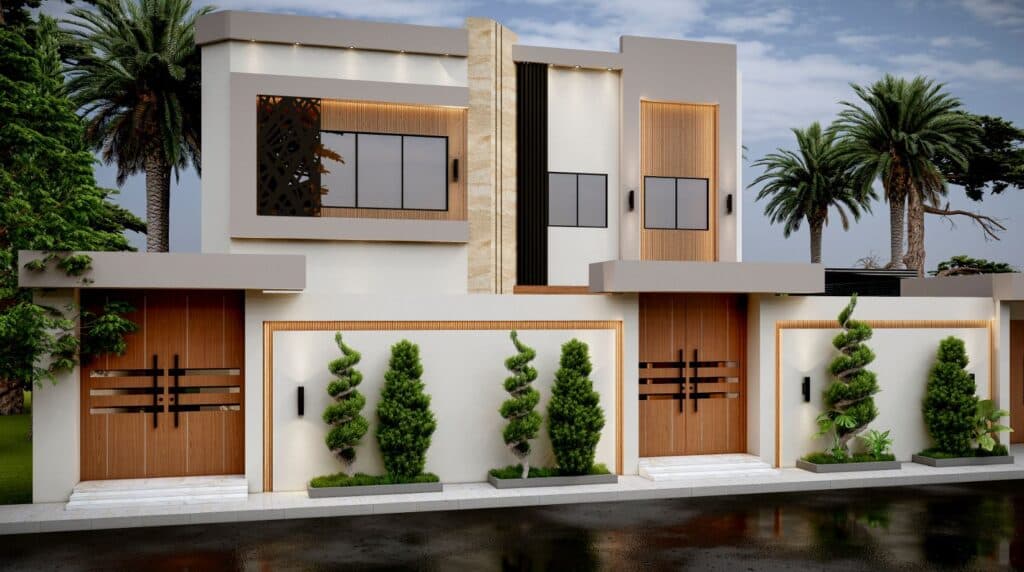
- Façade design and external identity
- Climate response (sunlight, ventilation, shading)
- Coordination with structural and MEP systems
In short: architectural design sets the “foundation” of user experience.
2) What Is Interior Design?
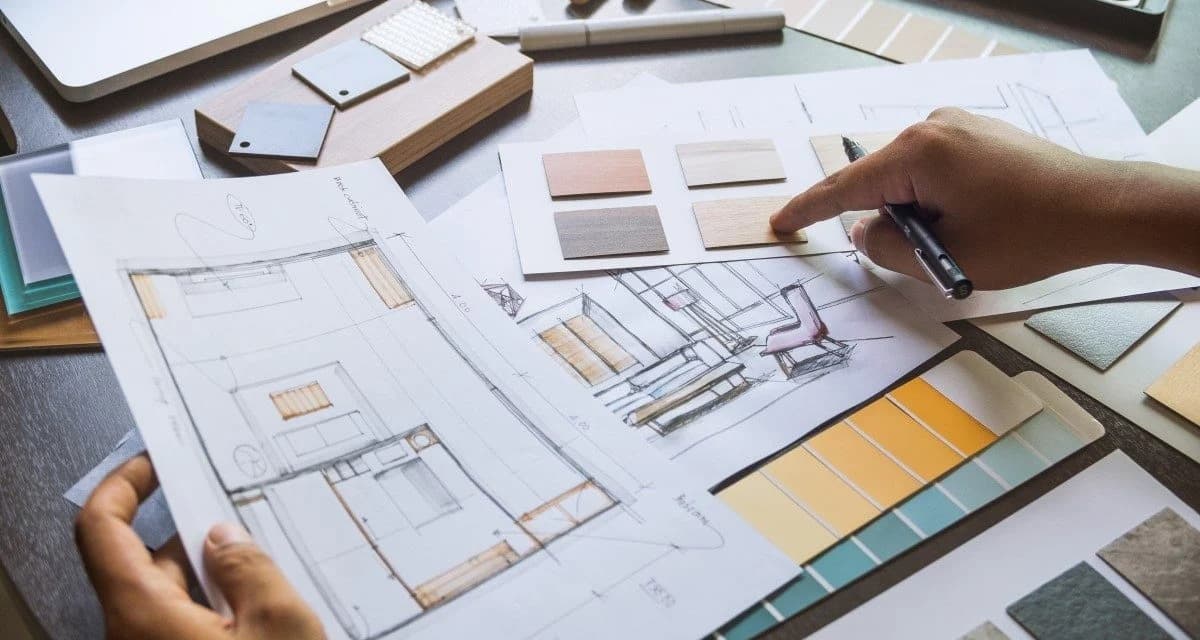
Interior design focuses on the human experience inside the building. It transforms empty spaces into functional, emotional, and usable environments.
Interior design includes:
- Material and finish selection
- Lighting design (artificial + ambient)
- Furniture layouts
- Color schemes and visual identity
- Detailed detailing and construction finishes
- Comfort, productivity, and psychological impact
Architectural design creates the space interior design gives it life.
3) Architectural Design vs Interior Design: The Core Difference
A simple way to define it:
- Architectural design = How the building works.
- Interior design = How people live, work, and feel inside the building.
Architects design the system and structure. Interior designers shape the experience and interaction.
4) How Architectural Design Affects User Experience
User experience begins even before entering the building.
Architectural design impacts UX through:
- Accessibility and ease of entry
- Clear navigation and circulation
- Logical layout of services (elevators, stairs, restrooms)
- Daylighting and natural ventilation
- Safety and emergency flow
Even the best interior design cannot fix poor architectural planning.
5) How Interior Design Affects User Experience
Once users enter, interior design becomes the strongest influence on comfort and engagement.
It affects UX through:
- Lighting quality and atmosphere
- Material selection and durability
- Space comfort and user movement
- Acoustic performance (especially in offices)
- Mood and emotions through color and textures
Interior design translates the building’s purpose into a daily experience.
6) Where Projects Fail: Common Mistakes
Common design failures include:
- Lack of early coordination between architects and interior designers
- Interior finishes that conflict with architectural identity
- Ignoring user behavior and needs
- Poor technical documentation leading to execution errors
The result: beautiful projects that feel uncomfortable or impractical.
7) How Both Disciplines Work Together
The strongest projects are built through integration:
- Early design coordination between architecture and interior design
- A unified visual identity
- User journey mapping inside the building
- Strong technical documentation to ensure accurate execution
Conclusion
The difference between architectural design and interior design is not about which one is more important it is about what role each plays.
Architectural design builds the structure and function of the place. Interior design shapes the user’s daily experience within it.
When both disciplines align, the result is high-performing buildings with powerful user experience and long-term value.




%2520(1)-1.jpg&w=3840&q=75)


.png&w=3840&q=75)


-1.jpg&w=3840&q=75)