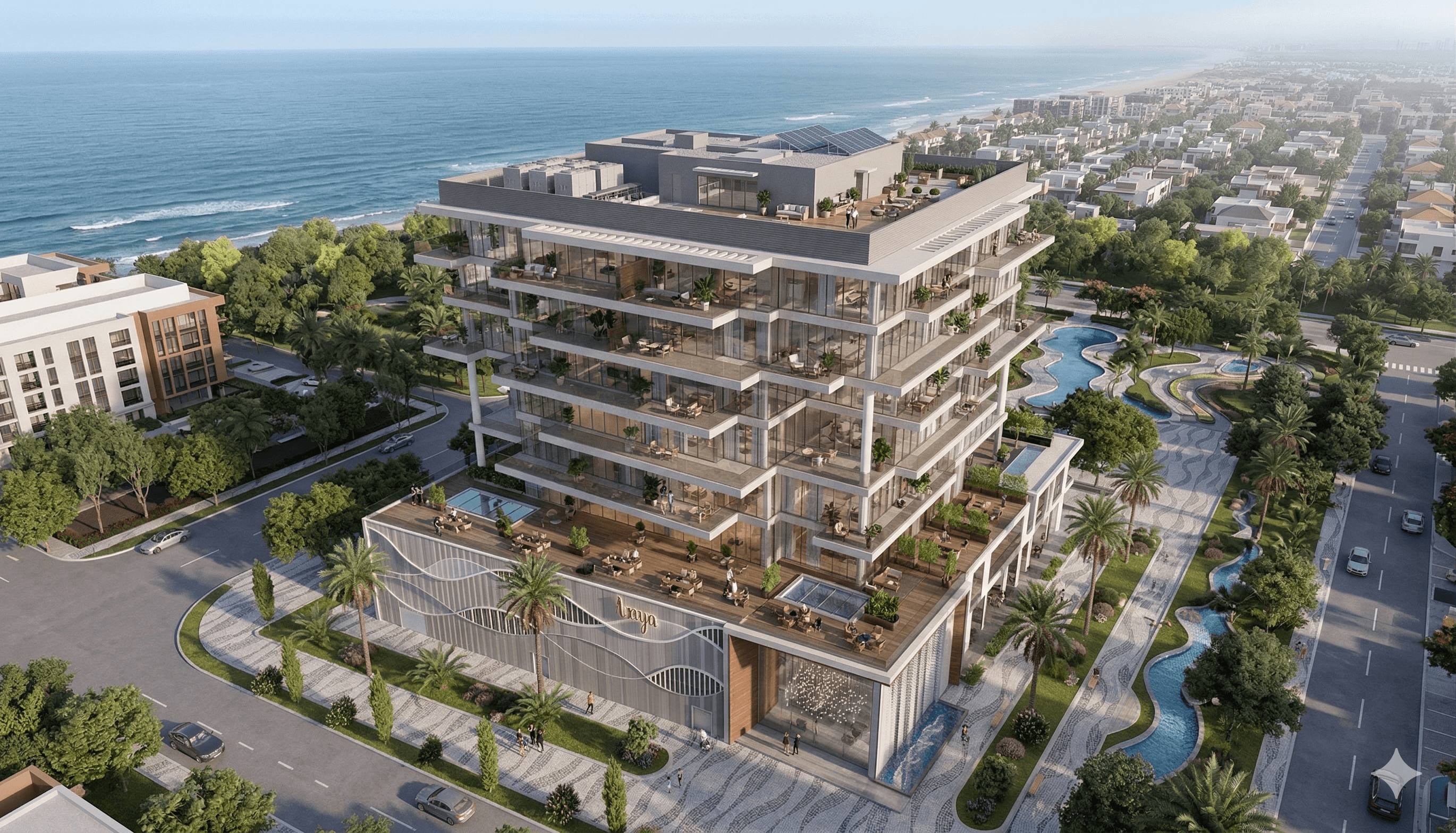
In many real-world projects, design does not always begin from a clean slate. Sometimes, teams join a project midway through when decisions have already been made, drawings are partially developed, and coordination gaps are starting to appear.
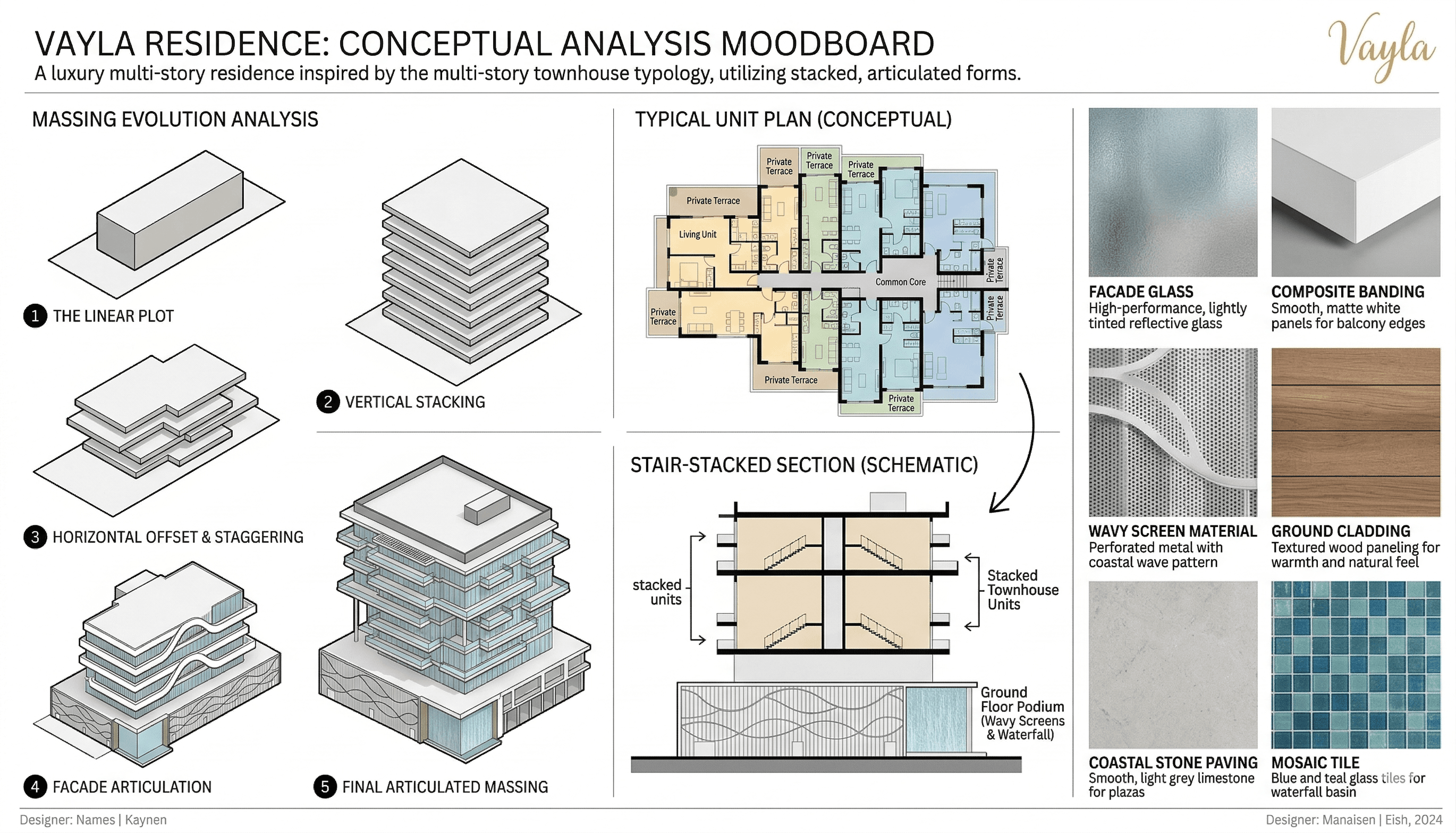
This was exactly the situation when Floatmap joined the Vayla Residence project. The development had progressed through initial design stages, but the project lacked full coordination, clarity, and readiness for execution.
Instead of restarting the design process, the team adopted a structured approach focused on regaining control, aligning disciplines, and preparing the project for construction. Through a combination of Agile construction principles and a BIM-driven workflow, the project transitioned from a partially aligned design into a coordinated, execution-ready solution. This blog explores how that transformation happened, and what project teams can learn from it.
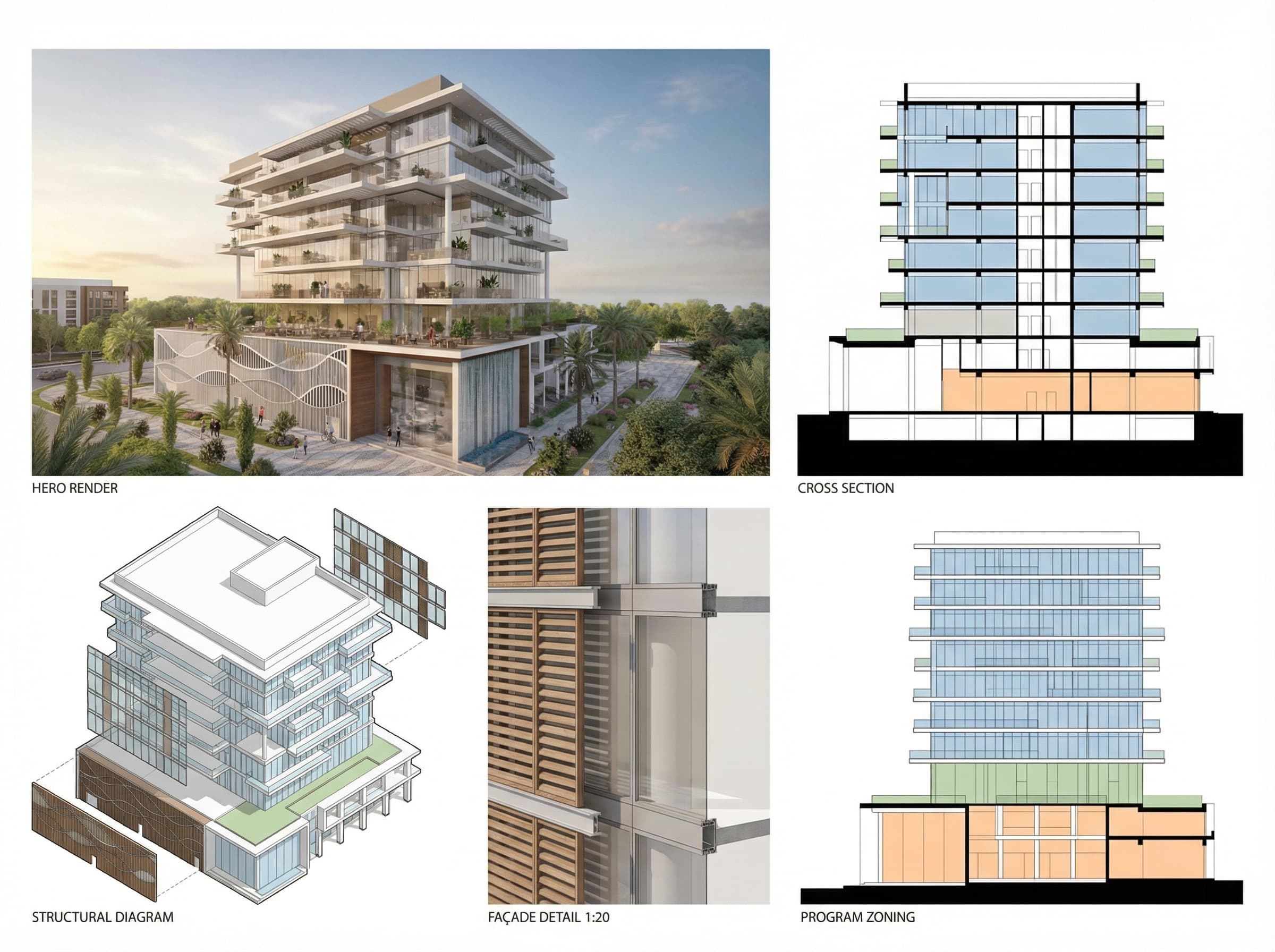
When Floatmap joined the project, the design was already underway. Architectural concepts existed, some interior elements had been developed, and documentation had started. However, the project faced several common issues that often arise in mid-stage developments.
These issues are not unusual. In fact, many residential and commercial projects reach a stage where progress slows because the design is not fully aligned for execution.
The key question was not how to redesign the project but how to reorganize it efficiently without losing time or momentum.
Restarting the project from the beginning would have caused delays, increased costs, and frustration for stakeholders. Instead, Floatmap focused on restructuring the existing design and building a clear path toward execution readiness.
This approach ensured that the project continued moving forward while improving technical quality and coordination.
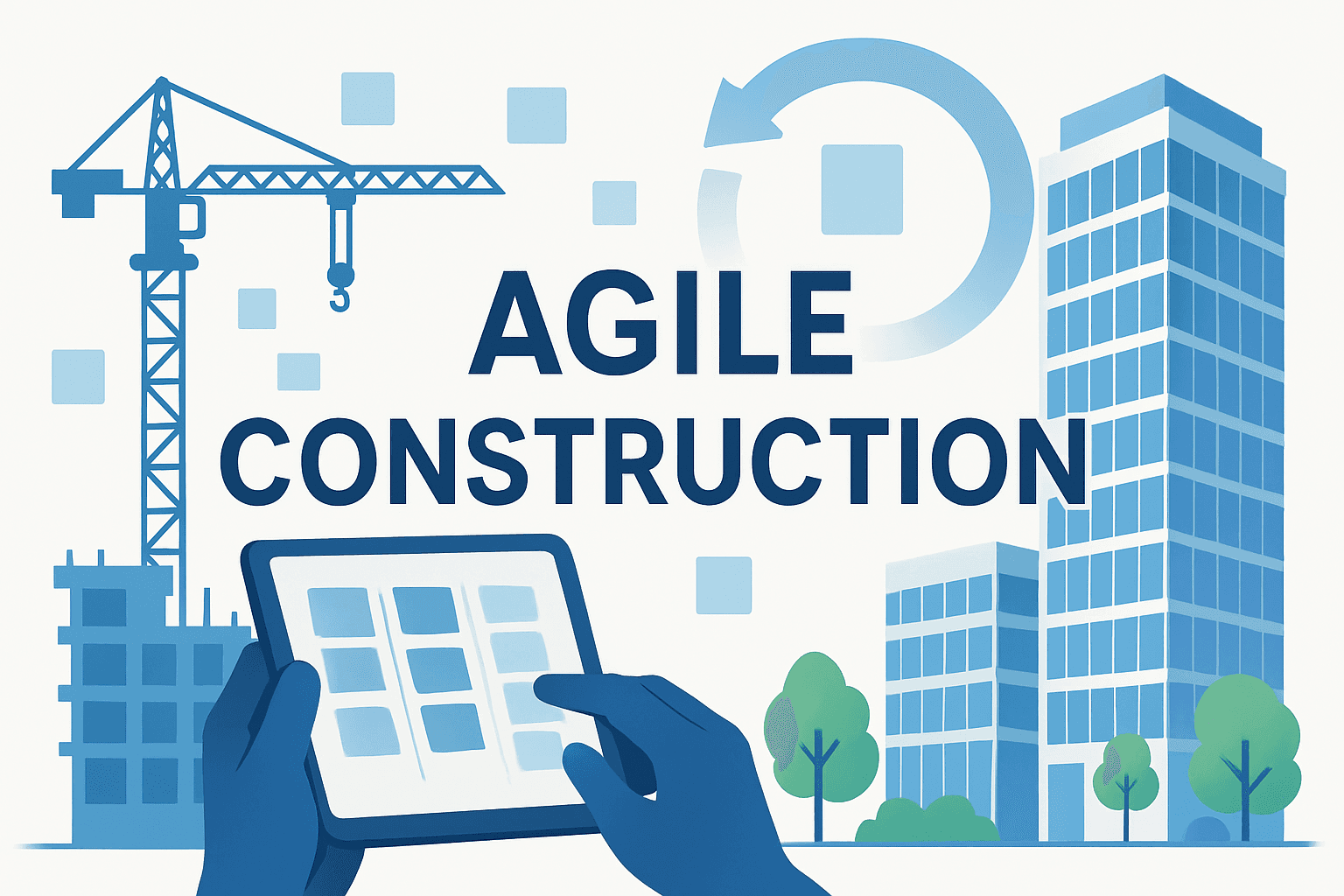
One of the most effective tools used in the project was the implementation of an Agile methodology adapted for design and coordination.
Rather than attempting to resolve everything at once, the team divided the work into manageable development cycles.
Each cycle followed a simple structure:
Review
Refine
Coordinate
Agile workflows are particularly valuable in ongoing projects because they enable continuous improvement without disrupting the overall timeline.
While Agile provided structure to the workflow, Building Information Modeling (BIM) provided the technical foundation for coordination.
The project transitioned from isolated drawings into an integrated digital model that connected all design elements.
This BIM-driven approach enabled the team to:
Instead of treating the design as separate documents, the project became a coordinated system. This shift significantly improved confidence in the project’s readiness for construction.
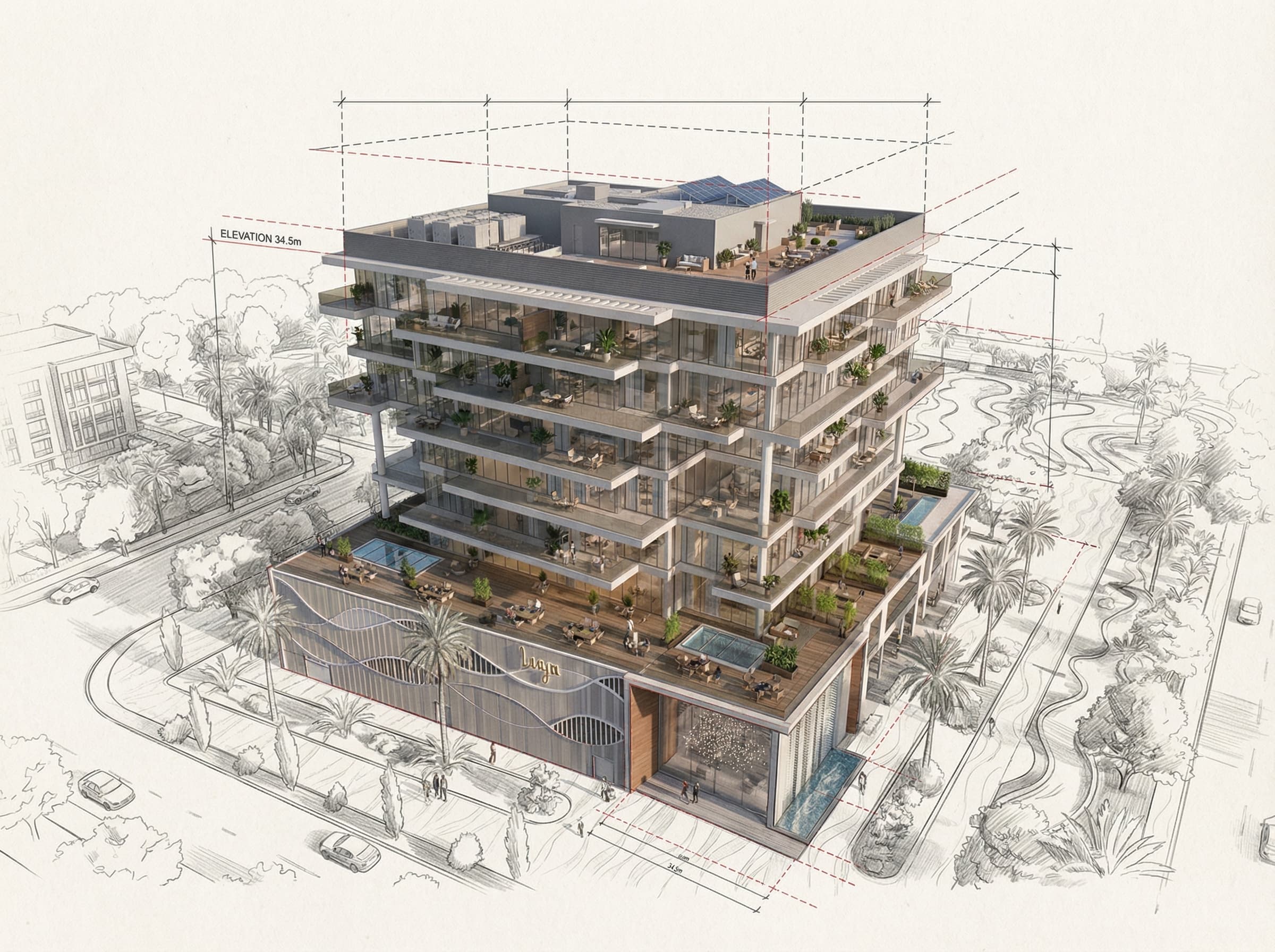
With coordination stabilized and workflows structured, the team focused on delivering the final outputs required for construction readiness.
Tender readiness is one of the most critical milestones in any project. Without clear documentation, contractors cannot accurately price their work, timelines become uncertain, and execution risks increase.
By ensuring clarity and coordination in the tender package, the project moved smoothly into the next phase.
The most significant outcome of the project was not just completing drawings, but transforming the project’s overall condition.
Partially developed
Poorly coordinated
Not ready for execution
This transformation reduced risk, improved communication, and strengthened stakeholder confidence.
One of the strongest indicators of project success is client satisfaction.
Despite joining the project at a mid-design stage, Floatmap delivered results comparable to projects developed from the earliest phases.
These outcomes demonstrate that project recovery and stabilization are possible even when challenges appear midway.
The Vayla Residence project offers practical insights for developers, consultants, and engineering teams working on complex projects.
Joining a project mid-stage does not mean starting over. Coordination is more important than speed. Clear documentation reduces execution risk. Agile workflows improve responsiveness. BIM integration strengthens project confidence
Most importantly, structured coordination can transform uncertainty into clarity.
Projects rarely follow a perfectly linear path. Design changes, coordination gaps, and timing challenges are part of the reality of modern construction.
What determines project success is not the absence of problems but the ability to respond to them effectively.
By combining Agile methodology with a BIM-driven coordination approach, Floatmap successfully transformed the Vayla Residence project from a partially aligned design into a fully coordinated, construction-ready solution. Even when joining mid-way, the right strategy can restore control, improve quality, and prepare a project for successful execution.
%2520(1)-1.jpg&w=3840&q=75)


.png&w=3840&q=75)


-1.jpg&w=3840&q=75)